
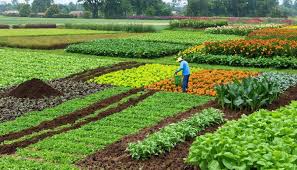
How to Grow Healthy Crops
Step 1: Select the Right Seeds
Start by choosing high-quality, disease-resistant seeds that suit your climate and soil type. Using organic seeds ensures that your crops are healthier and more resilient. Avoid old or low-quality seeds, as they may produce weak plants or reduce your yield.
Step 2: Prepare the Soil
Healthy soil is the foundation for strong crops. Loosen the soil thoroughly to allow roots to grow easily. Mix in organic compost or natural fertilizers to improve soil fertility. Check the soil pH if possible; most crops grow best in slightly acidic to neutral soil (pH 6–7).
Step 3: Planting Techniques
Plant your seeds or seedlings at the correct depth and spacing. Crowding plants can reduce air circulation and increase the risk of disease. For better results, follow recommended guidelines for each crop. Mark your rows or beds to maintain order and ease of maintenance.
Step 4: Watering and Irrigation
Water is essential for crop growth. Water consistently, but avoid overwatering, which can lead to root rot. Early morning or late evening watering is best to reduce evaporation. Consider drip irrigation or soaker hoses for efficient water use and better absorption by plants.
Step 5: Natural Fertilization
Enhance soil nutrition with natural fertilizers like compost, manure, or organic mixtures. Avoid excessive chemical fertilizers, which can harm soil health over time. Regularly add compost to maintain long-term soil fertility and structure.
Step 6: Pest and Disease Control
Monitor crops regularly for pests and signs of disease. Use natural methods such as neem oil sprays, companion planting, or beneficial insects like ladybugs. Crop rotation and proper spacing also help reduce pest pressure naturally.
Step 7: Harvesting Tips
Harvest crops at the right time for maximum yield and quality. Check maturity signs for each crop and handle gently to avoid damage. Proper harvesting encourages regrowth in some crops and prevents wastage.
By following these steps — selecting quality seeds, preparing the soil, planting correctly, watering efficiently, using natural fertilizers, and controlling pests naturally — you can grow healthy crops that yield better and are more sustainable. These simple methods help improve soil quality and create a strong foundation for long-term agricultural success.