
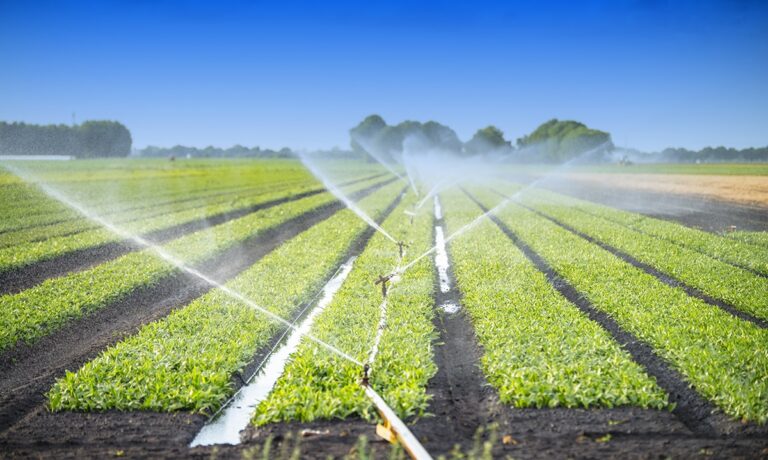
Efficient Water Management in Farming
Using water efficiently can save crops, reduce waste, and improve agricultural productivity in every season.
1. Assess Water Needs
Understand how much water each crop requires for optimal growth. Different crops and stages of growth have varying water demands. Monitor soil moisture regularly to avoid overwatering or underwatering.
2. Choose the Right Irrigation Method
Depending on your farm size and crops, select the best irrigation method:
- Drip Irrigation: Delivers water directly to the roots, minimizing waste.
- Sprinkler Irrigation: Suitable for medium to large farms, simulates rainfall.
- Furrow Irrigation: Traditional method for row crops, water flows along trenches.
3. Schedule Watering
Water crops in the early morning or late evening to reduce evaporation. Consistent watering helps plants absorb water efficiently and prevents stress during hot periods.
4. Reuse and Conserve Water
Collect rainwater or use stored water for irrigation when possible. Mulching around plants helps retain soil moisture and reduces the need for frequent watering.
5. Monitor and Adjust
Keep track of rainfall, soil moisture, and crop needs. Adjust irrigation schedules and methods accordingly to ensure crops get just the right amount of water without wasting resources.
By applying these water management techniques, farmers can conserve water, reduce costs, and maintain healthy crops. Efficient irrigation practices also promote sustainable farming and protect the environment.